

As the deadline for the National Restoration Plans approaches, Member States should ensure youth is heard and involved.
The following text is a summary of the analysis and recommendations for youth participation in the development of National Restoration Plans aimed at Member States, governments and authorities. It is a joint brief by Youth and Environment Europe, the European Young Rewilders, the Global Youth Biodiversity Network Europe and Biodiversity Action Europe.
European youth have been passionately advocating for the adoption of the Nature Restoration Regulation – to restore our ecosystems for young people and future generations to enjoy the benefits of a healthy environment – and are active professionals, students and volunteers in the efforts to restore European nature. As Member States are preparing National Restoration Plans, we want the NRPs to be ambitious following the principles of intergenerational justice and to allow continuous and meaningful youth involvement in implementation.
1. Identifying and reaching out to environmental youth groups
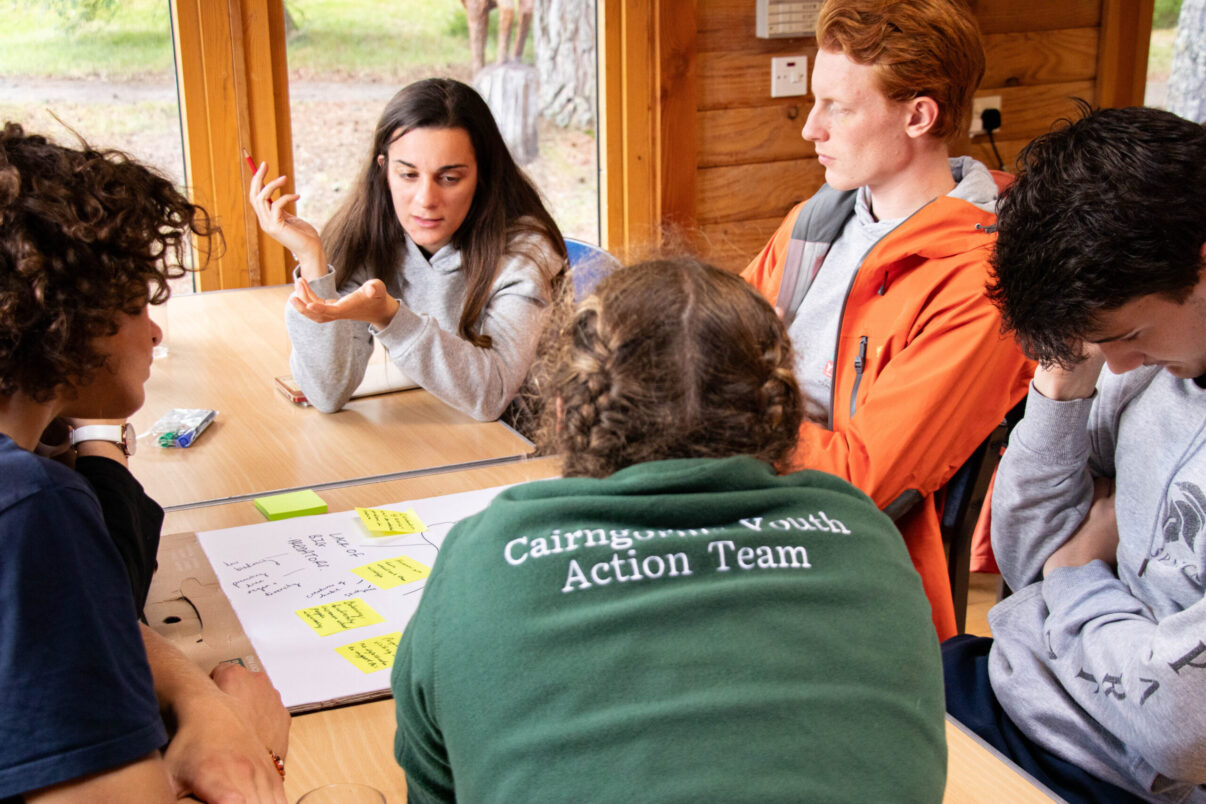
Map and engage in a dialogue with youth-led organisations, youth councils, students unions, and grassroots movements. Ensure that a wide range of perspectives, concerns, and priorities are recognised within the youth groups identified and that they are all brought into the public debate around restoration. Involve official youth advisory councils (or create, if none is established) to provide a formal platform for young people to contribute to policy discussions and decision-making processes. These councils serve as a bridge between young citizens and policymakers, ensuring that youth perspectives are considered in national restoration plans.
2. Involvement of Students, Young Experts and Early-Career Professionals
Beyond general participation, ministries should actively involve students, young experts and early-career professionals in relevant fields (e.g. ecology, biodiversity, environmental law, spatial planning, agriculture, and forestry). Ministries can include young experts in any participation process they adopt (technical working groups, advisory panels, consultation processes, etc…) in cooperation with universities, research institutions, and professional networks. Transparent selection procedures and appropriate recognition or remuneration are essential to ensure substantive contributions and avoid tokenistic involvement.
3. Providing access to all relevant information
Knowledge-sharing is the foundation of meaningful and informed participation. There are plenty of youth organisations that are already active in content design and promotion. Governments and public institutions can partner with youth organisations and groups to:
- Organise workshops, webinars and outreach events aimed at young audiences.
- Host restoration-focused seminars and events. A good practice is noted in Greece, where they will organise an informative event on the NRP.
- Launch social media campaigns to raise awareness about the importance of restoration.
- Translate abstract policies into tangible and easy-to-understand examples, such as using EU restoration case studies and share content on social media.
- Incorporating environmental education into school curricula can empower young people with the knowledge and skills needed to engage in restoration efforts. This approach not only educates but also inspires youth to participate actively in environmental sustainability initiatives.
- Provide all the information in a time that is adequate for early, informed and meaningful participation of youth in the NRP consultation process.
4. Use E-participation Tools
Introduce or adapt online platforms for state-level consultations and dialogue. These may include surveys, public forums, or idea submission tools. France for example has initiated this platform of Nature Restoration where it collects citizens’ inputs and includes educational content – its input must be meaningfully incorporated in the NRP. More good practices already exist across Europe: Demokratia.fi in Finland opens the gates for public participation, while the European Commission’s Youth Wiki includes a list of participatory processes in more countries. Meanwhile, in the Netherlands, you can opt-in for notifications concerning participation opportunities in thematic areas, such as biodiversity.
5. Enable Local and Regional Youth Participation in Governance Bodies
Restoration needs and governance structures vary across regions, making it essential to involve young people at multiple levels – from local to regional and national – in decision-making processes. For participation to be truly effective, youth should be integrated into local decision-making fora where they can address specific local restoration challenges. It is important to consider that the role of youth in fora must be as co-creators rather than simply participants to ensure the fundamental cultural shift necessary to address the triple planetary crisis. This involvement should then be connected to, and amplified within, higher levels of governance. Local NGOs and other relevant stakeholders can play an important role in supporting this multi-level engagement by facilitating and empowering youth participation.
6. Beyond Planning: Continuous Youth Involvement
NRPs are long-term instruments: youth participation should not end with the drafting and approval phrase. Continued engagement can be supported through:
- Non-formal education projects and activities under funding opportunities such as the Erasmus+ Programme, focused on restoration and biodiversity conservation.
- Citizen science projects at the local level where young people can contribute to data collection and monitoring, for instance through school or high schools programmes.
- Providing funding and resources for youth-led projects can encourage innovation and creativity in addressing environmental challenges. Young people can then implement their ideas and contribute to national restoration efforts in a tangible way. Here it is important to cite as a good practice the European Fund for Youth Action on Pollinators, which offers funding for youth actions concerning pollinator conservation, led by youth or organisations actively working with young people.
- Ensuring that the monitoring system is based on an iterative process, to keep both youth and governmental institutions accountable and to effectively determine impact of youth-led actions.
Overall, these activities and projects can deepen youth involvement in the process by giving them a sense of ownership and shared responsibility, while also helping to identify and shape future restoration priorities when the NRPs are updated.